PAN India Presence
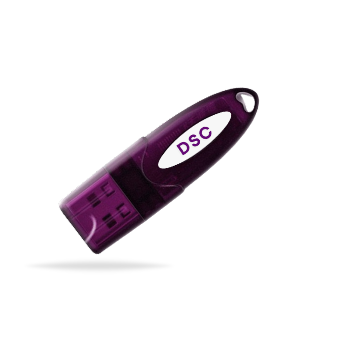
*Authorized DSC
15-Dec-2025
Why Use Digital Signature? | DSC Advantages and Applications
You are out of trend in 2025! Why, you may ask? Well, if you have and still are signing using a pen and paper? Then you have stayed out of the trend this whole time!
Step into 2026 with the modern and secure tool—Digital Signature Certificate (DSC). Physical signatures are slow, inconvenient, and prone to errors. On the other hand Digital Signature lets you authenticate your identity, protect your documents from tampering, and complete approvals anytime, anywhere. All this without the hassle of printing and scanning.
The benefits don't even stop here. Read here why DSCs are no longer optional, explore their benefits, types, and use cases.
Ready to go digital? Buy Capricorn DSC today and sign with confidence!
What is a Digital Signature Certificate (DSC)?
A Digital Signature Certificate (DSC) is an electronic form of a signature that verifies your identity online.
It allows you to sign documents, forms, and transactions securely over the internet.
DSCs use encryption technology to ensure that the document you sign cannot be altered or tampered with. They are legally recognized under the Information Technology (IT) Act, 2000, which gives them the same authority as handwritten signatures in India.
Types of DSC and Uses
Digital Signature Certificates are available in different types based on who is using them and for what purpose.
1. Individual DSC
Used by individuals for filing income tax returns, signing documents, and accessing government portals.
2. Organization DSC
Issued to companies and firms for corporate filings, approvals, and official online transactions.
3. Government DSC
Used by government signatories for secure digital work and approvals.
4. DGFT DSC
Required by importers and exporters to use the DGFT portal for IEC registration and trade-related filings.
5. Document Signing DSC
Used only for signing documents digitally without logging into portals.
DSC Class 1, Class 2, and Class 3 – What's the Difference?
It's important to know the various classes of Digital Signature and the DSC Class 1 2 3 differences.
Class 1 DSC
Class 1 DSC was used earlier. It was discontinued several years ago and was completely phased out before 2021.
Class 2 DSC
As per guidelines issued by the Controller of Certifying Authorities (CCA), India, Class 2 DSC was officially discontinued in 2021 and replaced with Class 3 DSC to improve security standards.
Class 3 DSC
Class 3 DSC is the currently valid and highest security digital signature certificate.
What Is Digital Signature and How It Works?
A digital signature is a secure way to sign documents electronically. It uses encryption technology to confirm who signed the document.
Here's how DSC works in simple terms:
1. When you sign a document using a DSC, a unique digital code (hash) is created for that document.
2. This code is encrypted using your private key, which is securely stored in your DSC.
3. The recipient or system verifies the signature using your public key.
4. If the document is changed even slightly after signing, the signature becomes invalid.
Advantages of Using Digital Signature Certificate (DSC)
Using a Digital Signature Certificate offers several benefits that go far beyond just replacing a handwritten signature.
1. Legally Valid
Digital signatures are legally recognized in India under the Information Technology Act, 2000, giving them the same legal standing as physical signatures.
2. High Security
DSCs use encryption to protect documents from tampering and unauthorized access, ensuring complete data integrity.
3. Saves Time and Cost
No printing, scanning, or courier services are required. Documents can be signed and shared instantly, saving both time and money.
4. Convenience
Sign documents anytime, from anywhere. No physical presence is needed.
5. Non-Repudiation
Once a document is digitally signed, the signer cannot deny having signed it.
6. Paperless and Eco-Friendly
Reduces paperwork and supports environmentally responsible digital processes.
Application of Digital Signature in India
Here are some applications of digital signature examples:
1. Income Tax Portal – Filing returns, audit reports, and other tax-related submissions
2. GST Portal – Filing GST returns and completing compliance activities
3. MCA (Ministry of Corporate Affairs) – Company incorporation, ROC filings, and annual returns
4. EPFO Portal – Employer registrations, filings, and approvals
5. DGFT Portal – Import-export activities, IEC registration, and license applications
6. E-Tendering & E-Auctions – Mandatory for participating in government tenders and auctions
7. Banking & Financial Services – Loan documents, approvals, and agreements
8. Legal & Corporate Documents – Contracts, agreements, and internal approvals
9. Patent & Trademark Filing – Online submission of IP applications
And more…
Make the shift today! Buy DSC and experience faster, safer digital signing.
Confused about where to get your DSC from? Don't let this confusion delay your filings. Get your DSC from one of the best DSC providers in India, Capricorn CA.
But wait! You don't know how to buy DSC for yourself? We got you! Just CLICK HERE to know the whole procedure to buy Digital Signature step by step.
Final Words
Digital signatures are no longer just a convenience. They are a necessity in today's digital-first environment. From ensuring security and legal validity to saving time and eliminating paperwork, a Digital Signature Certificate (DSC) simplifies the way individuals and businesses operate online.
FAQ: Digital Signature
This FAQ section will act as your “Why use digital signature DSC advantages and applications quiz”.
1. What is a digital signature?
A digital signature is an electronic method of signing documents that verifies the identity of the signer and ensures that the document has not been altered after signing. It is created using encryption technology and is legally valid in India.
2. What are the advantages of DSC?
A Digital Signature Certificate (DSC) offers high security, legal validity, faster document signing, reduced paperwork, cost savings, and non-repudiation, meaning the signer cannot deny their signature.
3. Why do we need digital signatures?
Digital signatures are needed to securely sign documents online, complete government and compliance filings, and authenticate users without physical presence. They help streamline workflows and support paperless transactions.
4. What is the main reason for using digital signatures—to ensure data what?
The main reason for using digital signatures is to ensure data integrity. They confirm that the information in a document remains unchanged after it is signed.
5. What is the purpose of a digital signature?
The purpose of a digital signature is to authenticate the signer, protect the document from tampering, and provide legal proof of consent in digital transactions.
6. What is the full form of DSC in education?
In education, DSC stands for Digital Signature Certificate.