PAN India Presence
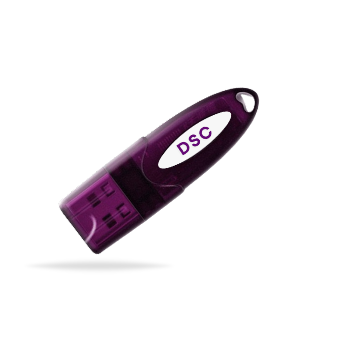
*Authorized DSC
10-Apr-2026
What is a Digital Signature Certificate & How Does It Work?
You wouldn't sign a blank piece of paper and hand it over to someone. But online, that's exactly the kind of risk most digital actions carry—unless they're properly secured.
Every time a document is signed, submitted, or approved digitally, there's one critical question behind it: Can this be trusted? Not just who signed it, but whether the document has been altered, copied, or misused.
This is where a Digital Signature Certificate (DSC) steps in as more than just a signature. It verifies identity, secures the document, and makes digital transactions trustworthy by design.
Buy Digital Signature Online – Fast, Simple, Reliable. Get your Capricoen DSC today!
What is the Meaning of Digital Signature Certificate?
A Digital Signature Certificate (DSC) is a secure digital key that acts as proof of your identity in the online world. It allows you to sign documents electronically in a way that is not only convenient but also highly secure and legally valid.
A DSC is the digital equivalent of your handwritten signature. While a physical signature can be copied or forged, a digital signature is protected using encryption technology, making it extremely difficult to tamper with.
It contains important details such as the user's name, public key, issuing authority, and validity period. When you sign a document using a DSC, it creates a unique digital code (hash) that is linked to both you and the document.
Why is a DSC Needed?
A Digital Signature Certificate (DSC) solves this problem by adding multiple layers of trust and security to digital interactions.
1. It ensures authentication—you can be sure that the person signing the document is exactly who they claim to be.
2. It maintains data integrity, meaning the document cannot be changed after it has been signed without detection.
3. It provides security through encryption, protecting sensitive information from unauthorized access.
4. It offers non-repudiation, which means the signer cannot deny their involvement once the document is signed.
Who Issues Digital Signature Certificates?
A Digital Signature Certificate (DSC) is not something you can create on your own—it is issued by trusted organizations known as Certifying Authorities (CAs).
These authorities are responsible for verifying your identity before issuing a DSC, ensuring that the certificate can be trusted by anyone who receives a digitally signed document from you. They act as a bridge of trust between the signer and the receiver.
In India, all Certifying Authorities operate under the supervision of the Controller of Certifying Authorities (CCA). The CCA is a government body that regulates and licenses these authorities, making sure they follow strict security and compliance standards.
Some well-known Certifying Authorities in India include organizations like Capricorn CA.
How Does a Digital Signature Work?
When a document is ready to be signed, the system first generates a hash value—a unique fixed-length representation of the document. Even the smallest change in the document will completely change this hash.
This hash is then encrypted using the signer's private key. This encrypted hash is what we call the digital signature.
Now, when someone receives the signed document, two things happen during verification:
- The receiver uses the signer's public key (from the DSC) to decrypt the digital signature and obtain the original hash
- The system independently generates a new hash from the received document
These two hashes are then compared:
- If they match -> the document is authentic and unchanged
- If they don't -> the document has been tampered with
Don't wait—Buy Digital Signature Certificate now. Apply for Capricorn DSC!
Final Words
What makes a DSC powerful is not just its convenience but the confidence it brings to digital transactions. Whether it's filing official documents, signing contracts, or handling sensitive information, a DSC ensures that your identity is protected and your data remains unchanged.
Understanding how it works gives you an idea of how to use it correctly and what actually goes on behind the screen when you digitally sign a document.
FAQ
1. What is Digital Signature meaning?
A Digital Signature Certificate (DSC) is a secure digital credential that verifies the identity of the signer and allows documents to be signed electronically in a legally valid and tamper-proof manner.
2. How does a digital signature work?
A digital signature works by creating a unique hash of the document, which is then encrypted using the signer's private key. During verification, this is matched with a newly generated hash using the public key to ensure authenticity and integrity.
3. What is the difference between a digital signature and an electronic signature?
An electronic signature is a broad term that includes any form of digital approval, such as typing your name or clicking “I agree.” A digital signature, on the other hand, uses encryption and is issued by a Certifying Authority, making it more secure and legally robust.
4. Is a digital signature legally valid in India?
Yes, digital signatures are legally valid in India under the Information Technology Act, 2000, and are widely accepted for government and business transactions.
5. How to verify a digital signature?
A digital signature can be verified using the signer's public key available in their DSC. The system checks whether the document has been altered and confirms the identity of the signer.
6. Are digital signatures safe and secure?
Yes, digital signatures are highly secure as they use encryption technology and unique private keys. They ensure identity verification, data integrity, and protection against tampering or forgery.
7. What is Digital Signature Renewal?
Digital Signature Renewal is the process of extending the validity of an existing Digital Signature Certificate (DSC) after it expires. Since a DSC is issued for a limited period (usually 1–3 years), it must be renewed to continue using it for secure digital signing.
8. What is the Digital Signing Process?
The digital signing process involves creating a hash of the document, encrypting it with the signer's private key, and attaching it as a signature. The receiver then verifies it using the corresponding public key to confirm identity and document integrity.
9. What are the uses of Digital Signature in India?
Digital Signatures are widely used in India for filing income tax returns, company registrations, GST filings, e-tendering, and signing official documents and contracts securely online.