PAN India Presence
*Authorized DSC
03-Jun-2026
PKI Explained for Non-Techie | Complete Information
Every time you sign a document digitally, access internet banking, or visit a secure website, a system is working behind the scenes to verify identities and keep information safe.
That system is called Public Key Infrastructure (PKI).
While the name may sound technical, the concept is surprisingly simple. PKI is the foundation of digital trust, helping people and organizations communicate, transact, and sign documents securely online.
Let's understand all about PKI in a beginner-friendly and non-techie way!
Looking for secure DSC? Buy Digital Signature Certificate (DSC) online at affordable prices only from Capricorn CA.
What is PKI?
PKI stands for Public Key Infrastructure. Public Key Infrastructure (PKI) is a system used to secure digital communication and verify identities online.
Whenever we interact on the internet—whether it's signing a document, logging into a government portal, or visiting a secure website—there needs to be a way to confirm two things:
1. The person or system we are dealing with is genuine
2. The information exchanged has not been altered
PKI makes this possible!
It provides a structured way to verify identities and secure communication between different parties online.
It acts as a behind-the-scenes trust system that helps ensure that digital interactions are safe, authentic, and not manipulated. It helps establish confidence that the communication is happening with the right entity.
Why Was PKI Created?
As the internet started growing, so did the risks that came with it. People began sharing sensitive information online but there was one major problem: there was no reliable way to trust who was on the other side.
Anyone could pretend to be a legitimate website, user, or organization. And even worse, information sent online could be intercepted or altered without anyone noticing.
That's exactly why PKI was created.
PKI introduced a structured way to establish identity, secure communication, and ensure that online interactions are authentic and untampered.
Main Components of PKI
Each component has a specific role:
1. Public Key
A public key is something that can be shared openly. It is used to verify or encrypt information so that only the intended system can read it.
2. Private Key
A private key is kept secret by the owner. It is used to unlock or access information that has been secured using the corresponding public key.
3. Certificate Authority (CA)
A Certificate Authority is a trusted organization that verifies identities and issues digital certificates. It acts like a digital trust provider in the PKI system.
4. Registration Authority (RA)
The Registration Authority helps in the identity verification process before a certificate is issued. It checks the details of a user or organization and forwards the request to the CA.
5. Digital Certificate
A digital certificate is an electronic document that confirms the identity of an entity and links it with its public key.
What is the difference between public key and private key?
Public Key: Shared openly and used to encrypt data or verify signatures
Private Key: Kept secret and used to decrypt data or create digital signatures
Take it as:
Public key = lock (anyone can use it)
Private key = key (only owner can open it)
PKI Flow: How Public Key Infrastructure Works?
It starts with a user or device requesting a secure connection. This request goes through a trusted verification process involving the Registration Authority (RA) and Certificate Authority (CA), which help confirm identity and issue a trusted digital identity.
Once trust is established, PKI ensures that communication becomes secure through encryption. Any data shared is first locked using a public key, which means only the intended recipient can access it.
On the other side, the receiver uses a private key to unlock and read the information securely. This ensures that even if the data is intercepted, it cannot be understood by anyone else.
At the same time, PKI also ensures data integrity and authenticity through digital signatures. This allows the receiver to verify that the document has not been changed.
Benefits of PKI
The main benefits of Public Key Infrastructure (PKI):
1. Builds digital trust – Helps systems verify each other's identity before sharing information.
2. Secures communication – Protects data while it is being sent so only the right recipient can read it.
3. Ensures data safety – Detects any changes or tampering in data during transfer.
4. Enables secure online systems – Makes services like banking, government portals, emails, and websites safe to use.
5. Supports large-scale security – Allows millions of users and systems to communicate securely without manual verification.
6. Standard for digital security – Used globally as the backbone for most internet security systems.
PKI and Digital Signature Certificate
A Digital Signature Certificate (DSC) is one of the most common real-world applications of PKI authentication.
PKI provides the underlying system of trust and security, while DSC uses that system to enable secure digital identity and signing.
With the help of PKI, a DSC can:
1. Verify identity digitally – Confirms that the person signing is genuine and authenticated
2. Enable electronic signing – Allows documents to be signed online without physical paperwork
3. Ensure security and integrity – Makes sure the document is not changed after it is signed and remains legally valid
In simple terms, PKI is the technology framework, and DSC is one of the tools built on top of it to make secure digital signing possible.
In India, DSCs are widely used for:
- Income tax filings
- GST submissions
- MCA filings
- Import/export documentation (ICEGATE, DGFT)
Simplify online document signing, buy Digital Signature Certificate from Capricorn CA.
Final Words
PKI is the invisible system that makes secure digital communication possible on the internet. From websites and emails to banking systems and government portals, it works behind the scenes to ensure trust, security, and authenticity.
In simple terms, PKI makes sure that:
- the right person is communicating,
- the data stays protected, and
- nothing is changed or misused in between.
Without PKI security, online transactions and digital services as we use them today would not be possible.
Just go through this PKI for beginners guide and know all about it all!
FAQ
1. How does PKI improve cybersecurity?
PKI encryption improves cybersecurity by making sure only verified users and systems can communicate securely. It encrypts data, checks identities using digital certificates, and ensures that information is not changed during transfer. This prevents hacking, impersonation, and data theft.
2. Can businesses use Digital Signature Certificates?
Yes. Businesses widely use Digital Signature Certificates (DSCs) for secure and legal digital operations such as GST filings, MCA compliance, tender submissions, contracts, and official document signing. It helps verify identity and speeds up online processes.
3. Is a digital signature legally valid?
Yes. In many countries, including India, digital signatures are legally valid when issued by authorized certifying authorities. They hold the same legal value as handwritten signatures for approved digital documents.
4. Is PKI only used by large organizations?
No. PKI is used by everyone—from individuals to small businesses to large enterprises. Even when you browse websites, send emails, or use banking apps, PKI is working in the background.
5. When do I use PKI without realizing it?
You use PKI encryption daily without noticing it, such as:
- Visiting HTTPS websites
- Online banking and payments
- Sending secure emails
- Logging into apps and government portals
- Uploading or signing digital documents
6. Why is PKI considered the foundation of digital trust?
PKI is called the foundation of digital trust because it creates a reliable system where identities can be verified, communication can be secured, and data can be trusted—even between systems that have never interacted before. It enables secure internet communication at a global scale.
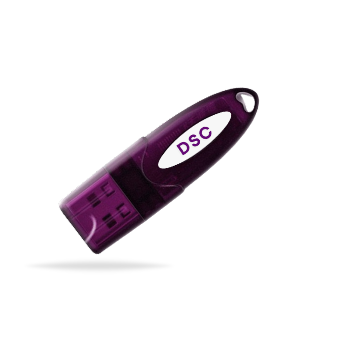
7. What is a USB token for DSC?
A USB token for DSC is a small hardware device used to securely store your Digital Signature Certificate (DSC).
It protects your private key and ensures that the digital signature can only be used when the token is physically connected and authorized with a password.
This adds an extra layer of security and prevents misuse of the certificate.
8. Can DSC be renewed online?
Yes, DSC renewal can usually be done online through the Certifying Authority or authorized DSC providers, using your existing credentials and verification process.
Choose one of the most trusted and reliable CAs in the industry - Capricorn CA.