18-May-2026
Tokenless DSC: Benefits, Risks & Future Scope
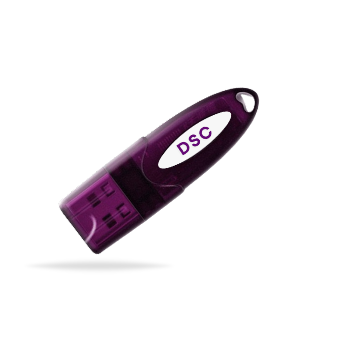
Traditionally, DSCs have been stored in physical USB cryptographic tokens, offering a strong and trusted layer of security for digital signing. These token-based DSCs continue to play a critical role across various industries and compliance-driven processes.
However, as businesses increasingly adopt cloud technology, remote work models, and paperless workflows, the need for more flexible and accessible signing solutions has also grown. This shift has led to the rise of Tokenless DSC.
Both systems come with their own advantages, limitations, and use cases.
Does this make tokenless DSC better than a USB token-based DSC?
Let's explore all about tokenless DSC and see if it can compete with Digital Signature Certificate (DSCs)!
Secure Every Filing, just buy Digital Signature Certificate today!
What is Tokenless DSC?
A Tokenless Digital Signature Certificate (DSC) is a cloud-based digital signing solution that allows users to sign documents electronically without using a physical USB cryptographic token.
In a tokenless DSC system, the certificate and signing process are managed through a secure cloud infrastructure instead of a physical device.
This means users can digitally sign documents remotely using authentication methods such as OTP verification, password authentication, biometrics, or multi-factor authentication (MFA), depending on the platform and compliance requirements.
Benefits of Tokenless DSC
1. Remote Accessibility
Users can sign documents from anywhere without carrying a physical USB token. This makes it highly useful for remote teams, hybrid workplaces, and businesses operating across multiple locations.
2. Faster Workflow
Since there is no need to connect hardware tokens or manage token drivers repeatedly, the signing process becomes quicker and more efficient.
3. Reduced Hardware Dependency
Tokenless DSC eliminates the need for physical token handling, reducing issues related to token storage, driver installation, and device compatibility.
4. Improved User Experience
Tokenless signing platforms often provide easier access, simpler onboarding, and mobile-friendly signing experiences.
5. Supports Digital Transformation
Tokenless DSC aligns well with paperless operations, workflow automation, and cloud-based business systems.
6. Multi-Device Flexibility
Users can access signing services across different devices with proper authentication, improving convenience and operational flexibility.
Risks & Challenges of Tokenless DSC
Here are some risks of using a tokenless cloud DSC:
1. Cybersecurity Risks
Since tokenless DSC works through cloud-based systems, risks like phishing, credential theft, and unauthorized access can become security concerns.
2. Authentication Issues
Weak passwords or insecure OTP practices may increase the chances of misuse if proper authentication measures are not followed.
3. Internet Dependency
Tokenless DSC depends on internet connectivity and cloud availability. Technical downtime can temporarily affect signing operations.
4. Data Privacy Concerns
Businesses must ensure their service providers follow proper encryption, security standards, and compliance practices to protect sensitive information.
5. Lack of User Awareness
Poor cybersecurity habits, such as sharing credentials or ignoring security measures, can increase operational risks.
6. Limited Adoption in Some Areas
Some organizations and compliance-driven sectors prefer traditional token-based DSCs based on their security policies or operational preferences.
Is There Any Future Scope of Tokenless DSC?
Looking at current industry trends, the use of token-based Digital Signature Certificate (DSC) continues to grow significantly, especially in compliance-heavy sectors such as MCA filings, GST, eTendering, finance, and government-related processes.
Many organizations prefer physical token-based DSCs because of their established trust, security familiarity, and regulatory acceptance.
This suggests that the future may not be about one system replacing the other completely. Instead, both Tokenless DSC and token-based DSCs are likely to coexist, serving different operational and compliance needs based on business requirements.
Tokenless DSC vs Token-Based DSC
Certificate Storage
Token-Based DSC: Certificate is stored inside a physical USB cryptographic token
Tokenless DSC: Certificate and signing process are managed through secure cloud infrastructure
Signing Process
Token-Based DSC:[/B] Token must be connected to the system during signing
Tokenless DSC:[/B] Signing is completed through online authentication methods like OTP or MFA
Hardware Dependency
Token-Based DSC: Depends on physical token handling and driver installation
Tokenless DSC: Minimal hardware dependency
Security Approach
Token-Based DSC: Relies more on hardware-based security
Tokenless DSC: Relies more on cloud security and authentication systems
Common Usage
Token-Based DSC: Common in MCA filings, GST, eTendering, and regulated processes
Tokenless DSC: Not so commonly used yet
Adoption Trend
Token-Based DSC: Continues to see strong adoption across industries
Tokenless DSC: The adoption rate is considerably low right now
Buy Digital Signature Certificates from Capricorn CA for secure online DSC signing!
Final Words
Both systems are evolving to serve different business needs.
While Tokenless DSC supports convenience and remote accessibility, token-based DSCs continue to provide trusted hardware-based control for regulated operations.
As digital transformation continues across industries, the future will likely involve a balance between both approaches.
FAQ
1. Is Tokenless DSC legally valid in India?
Yes, Tokenless DSC can be legally valid in India when issued and used under applicable regulatory frameworks and approved digital signing standards.
2. Is Tokenless DSC faster than traditional DSC?
Tokenless DSC can make remote signing and cloud-based workflows more convenient because it removes the need for physical USB token handling.
However, traditional token-based DSCs continue to be the more trusted, widely accepted, and preferred solution across most compliance, government, and regulated platforms in India.
3. Is Tokenless DSC secure for business use?
Tokenless DSC can be secure when supported by strong authentication methods, encryption standards, secure cloud infrastructure, and proper cybersecurity practices.
4. Will Tokenless DSC become mandatory in the future?
Currently, there is no indication that Tokenless DSC will completely replace token-based DSCs. Both systems are likely to coexist based on different business, security, and compliance requirements.
5. Can Tokenless DSC be hacked?
Like any digital system, Tokenless DSC can face cybersecurity risks if proper security measures are not followed. However, strong authentication, encryption, MFA, and secure cloud environments help reduce these risks significantly.
6. Why is Digital Signature Renewal Important?
Renewing your DSC is important because an expired DSC cannot be used for digital signing, compliance filings, or authentication processes. Digital Signature renewal on time helps ensure uninterrupted access to services such as MCA filings, GST filings, eTendering, income tax filings, and other secure digital transactions.
Get your online DSC signing tool from Capricorn CA.